Introduction to Bike Touring with a Gravel Bike
Bike touring is becoming increasingly popular among cycling and adventure enthusiasts.
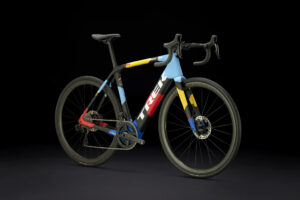
In this context, the gravel bike has established itself as one of the best choices for tackling long journeys on various types of terrain.
Its versatility makes it suitable for both asphalt and dirt roads, allowing riders to explore routes off the beaten path.
But what makes a gravel bike the ideal companion for bike touring?
In this guide, we will analyze in detail the technical features, advantages, component choices, and essential accessories needed for long-distance travel on two wheels.
Technical Features of Gravel Bikes for Bike Touring
Frame Geometry
Gravel bikes are designed to provide a stable and comfortable ride even on rough terrain.
Some of their distinctive features include:
- A slacker head angle, which improves stability on rough descents.
- A longer wheelbase, enhancing comfort over long distances.
- A slightly raised bottom bracket, allowing for better clearance over obstacles.
Frame Materials
Choosing the right material is crucial for comfort and durability:
- Steel: Strong and comfortable, absorbs vibrations well but is heavier.
- Aluminum: Lighter than steel but less effective at absorbing shocks.
- Carbon: Very light and comfortable but more expensive and delicate.
- Titanium: Combines strength and lightness but comes at a high cost.
Tires and Ideal Width
Gravel tires play a key role in comfort and safety while touring.
For bike touring, widths between 35mm and 50mm are recommended, depending on the type of terrain.
Additionally, tubeless systems reduce the risk of punctures and improve ride comfort.
Drivetrain: Single or Double Chainring?
Gravel bikes for bike touring can feature either a single (1x) or double (2x) chainring drivetrain:
- 1x (single chainring): Less maintenance, simpler, but offers fewer gear options.
- 2x (double chainring): Provides a wider gear range, useful for varied terrain.
Advantages of a Gravel Bike for Bike Touring
- Versatility: Suitable for different types of terrain, from asphalt to dirt trails.
- Long-distance comfort: Thanks to a relaxed geometry and wider tires.
- Load capacity: Designed to carry bikepacking bags and racks.
- Reliability: Robust components to handle long-distance travel without issues.
How to Choose the Best Gravel Bike for Bike Touring
The choice of bike depends on budget and personal needs. Here’s a price range overview:
- Entry-level (€1,000 – €1,500): Aluminum frame, basic drivetrain (Shimano GRX 400 or SRAM Apex).
- Mid-range (€1,500 – €3,000): Steel or carbon frames, higher-end components.
- High-end (€3,000+): Titanium or top-tier carbon frames, electronic drivetrains.
Essential Accessories for Gravel Bike Touring
Bikepacking Bags
For gravel bike touring, bikepacking is the most practical solution for carrying gear without compromising bike handling.
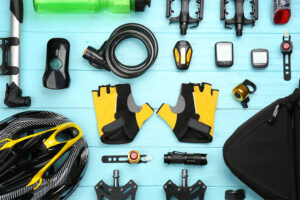
Essential accessories include:
- Frame bag: Mounted inside the frame, ideal for tools and heavy items.
- Handlebar bag: Attached to the handlebars, useful for a sleeping bag or bulky clothing.
- Saddle bag: Under the saddle, perfect for clothing and lighter items.
Navigation and Safety
- Front and rear lights for visibility in all conditions.
- Cycling GPS to navigate with GPX tracks (Garmin Edge, Wahoo Bolt).
- Rearview mirrors to monitor traffic on busier roads.
Maintenance and Care of a Gravel Bike During Travel
To avoid issues, it is crucial to carry a repair kit, including:
- A spare inner tube and tire levers.
- A mini pump or CO2 canister to inflate tires.
- Dry chain lubricant, ideal for dusty conditions.
Best Gravel Routes in Italy and Europe
Italy
- Tuscany Trail: The most famous gravel route in Italy, featuring Tuscany’s white roads.
- Dolomiti Gravel: Ideal for those seeking spectacular landscapes and elevation challenges.
- Via Francigena: A journey through history and nature.
- Manubriobasso San Pantaleo: The best routes in Italy, immersed in the untouched nature of Porto Cervo’s coast in Sardinia.
Europe
- Camino de Santiago (Spain): A spiritual and scenic route.
- EuroVelo 6: A trail crossing Europe from west to east.
- The Dirty Reiver (UK): One of Europe’s most iconic gravel events.
Conclusion
Gravel bikes are undoubtedly one of the best choices for bike touring, thanks to their ability to handle various terrains, comfort on long distances, and capacity to carry necessary gear.
Whether it’s a short trip or a long adventure, selecting the right gravel bike and preparing adequately will make all the difference.
If you are looking for a bike that allows you to explore the world without limits, the gravel bike is the perfect solution.